

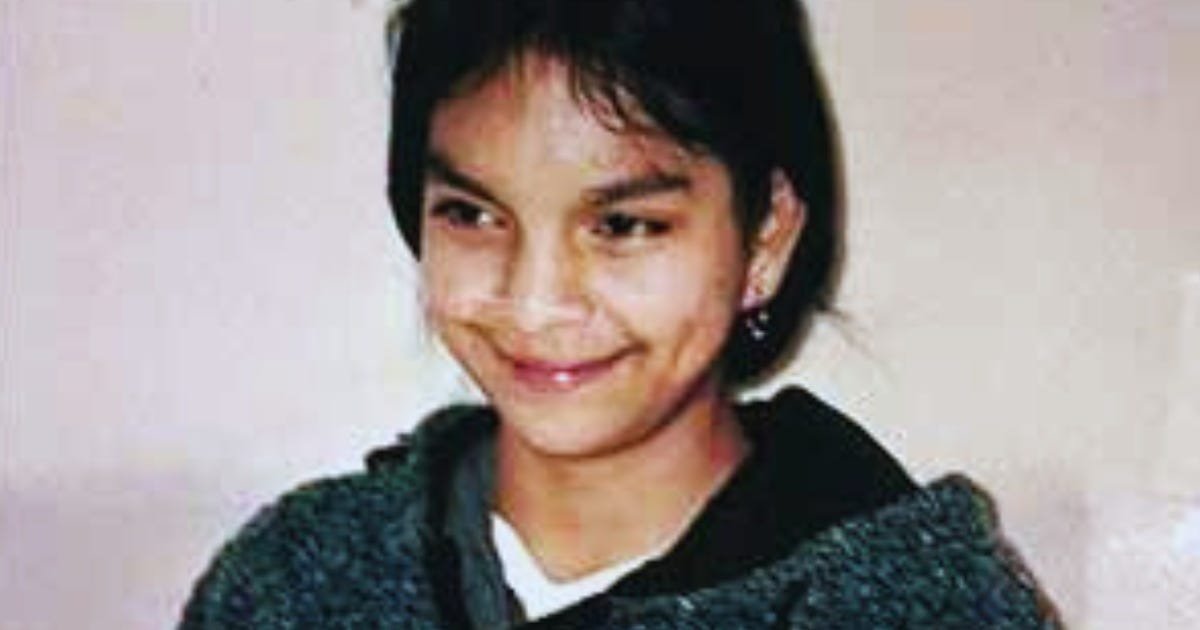
In early February 2003, Jesica Santillan, a 17-year-old Mexican girl, was being treated at Duke University Medical Center in Durham, North Carolina. She suffered from restrictive cardiomyopathy, a condition that severely weakened her heart and lungs and left her dependent on life support. Doctors determined that her only chance of survival was a combined heart-and-lung transplant, and she was placed on the national transplant waiting list.
She and her family entered the United States illegally from Mexico in 2000 so she could receive medical care. Upon arrival, they settled in Louisburg, closer to relatives already living in the U.S. A local builder named Mack Mahoney, moved by her condition, started a charity in her name to raise money for her treatment. Jesica was added to the transplant list at Duke and waited three years before a donor became available.
On February 6, 2003, donor organs became available through Carolina Donor Services, the regional organ procurement organization. The organs were offered to Duke for Jesica. According to Duke’s own later account, the transplant surgeon accepted the organs without directly confirming blood-type compatibility, assuming that the standard matching process had already been completed by the donor service. Jesica’s blood type was O, while the donor organs were blood type A, a mismatch that should have disqualified the organs immediately.
On February 7, 2003, surgeons led by Dr. James Jaggers implanted the donor heart and lungs into Jesica during a lengthy operation. Only after the organs had been placed did Duke’s Transplant Immunology Laboratory alert the surgical team that the blood types were incompatible. By that point, the organs were already in her body, and her immune system began to reject them almost immediately. Her antibodies turned against the transplanted organs, after which she entered a light coma.
Doctors then initiated emergency measures, including intensive immunosuppressive therapy to suppress Jesica’s immune system and prevent her antibodies from further attacking the donor organs, as well as plasmapheresis to filter her blood and remove pre-existing antibodies that were causing the immediate rejection of the Type A organs. These measures were intended to keep Jesica alive long enough to locate another suitable donor.
The error was caused by a miscommunication over blood-type compatibility involving Dr. James Jaggers at Duke University Medical Center and the transplant agencies Carolina Donor Services (CDS) and the United Network for Organ Sharing (UNOS), which, according to CBS News, “already had firm policies in place that should have prevented what happened to Jesica Santillan.”
Over the next several days, Jesica remained critically ill. Her condition fluctuated as doctors placed her on and off mechanical ventilation and later on extracorporeal membrane oxygenation (ECMO), a machine that temporarily takes over the function of the heart and lungs. Duke officials informed Jesica’s family about the mistake soon after it was discovered and reported the error to the United Network for Organ Sharing (UNOS), triggering an urgent search for compatible organs and placing her high on the transplant list due to her critical condition.
On February 19, 2003, nearly two weeks (13 days) after the failed transplant, compatible donor organs were finally located. Duke physicians verified the blood-type match before proceeding. Early on February 20, Jesica underwent a second heart-and-lung transplant. This time, the surgery itself was technically successful, and the new organs initially functioned as expected.
However, the prolonged period of critical illness following the first transplant had already taken a severe toll. On February 21, Jesica’s neurological condition deteriorated rapidly. Brain scans revealed swelling and bleeding, complications believed to be linked to the extended time on life support and the strain caused by the earlier organ rejection. Despite aggressive treatment—a catheter inserted into her skull to drain fluid and to measure the pressure in her brain—her condition continued to worsen.
On February 22, 2003, Jesica Santillan was declared brain dead at Duke University Medical Center. She died surrounded by her family. Duke officials publicly acknowledged that the blood-type mismatch was a fatal medical error and issued formal apologies to her parents. The hospital accepted responsibility and announced immediate changes to transplant procedures, including multiple mandatory blood-type verification steps and clearer lines of accountability between surgeons, laboratories, and donor services. The United Network for Organ Sharing (UNOS) also reviewed its policies and implemented similar checks and balances to prevent such errors from repeating.
The family and the girl’s benefactor, Mack Mahoney, blamed the hospital for negligence, accusing it of being responsible for Jesica’s death. They believed that if the hospital had immediately gone public with the situation, new organs could have been found in time. However, the family did not file a lawsuit. Instead, in 2004, lawyers for both parties carried out settlement negotiations, the proceeds of which the mother wished should be used for Jesica’s Hope Chest, a charitable foundation named after her daughter to aid other families with similar conditions. A decade after Jesica’s death, allegations emerged that funds from the charity were being misappropriated by her benefactor and his wife.