

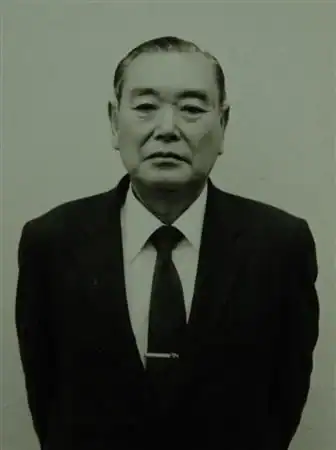
Kotoku Wamura became mayor of Fudai Village in Iwate Prefecture after World War II and served for ten consecutive terms, ending in 1987. While he served for a very long time which lasted over 40 years, his impact was later felt during the 2011 tsunami in Japan.
He had lived through past devastating tsunamis on Japan’s northeast coast (Tōhoku region), including the 1896 and 1933 events that destroyed homes and killed a total of 439 villagers. Those experiences shaped his thinking about disaster risks. As a result, he promised himself it would never happen again.
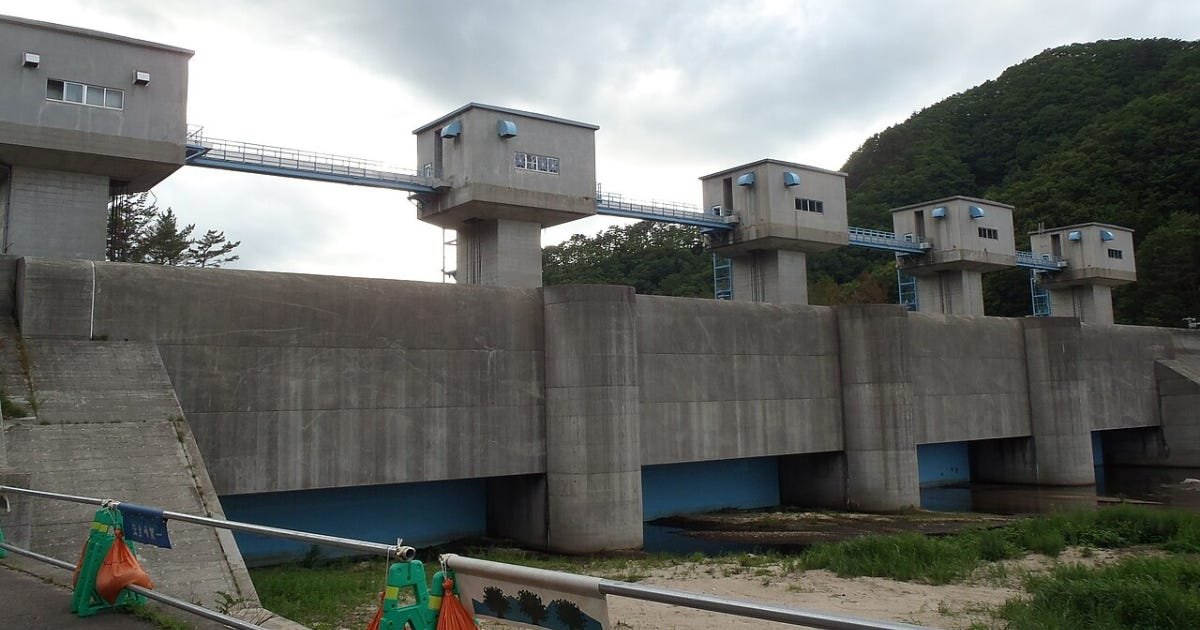
By 1967, the town had already built a 51-foot seawall to protect the homes behind the fishing harbor, but Wamura believed more protection was needed inland, where most people lived. He proposed that a large floodgate, the same height as the seawall, be built at the mouth of the Fudai River that could be lowered to block tsunami waves yet raised to let the river flow normally. The idea was to add a second line of defense beyond the seawall.
Some locals and officials questioned the plan, especially its size and cost. For a small village with limited funds, building a barrier as tall as the seawall seemed excessive to many. But Wamura managed to convince them that it was the only way to protect lives.
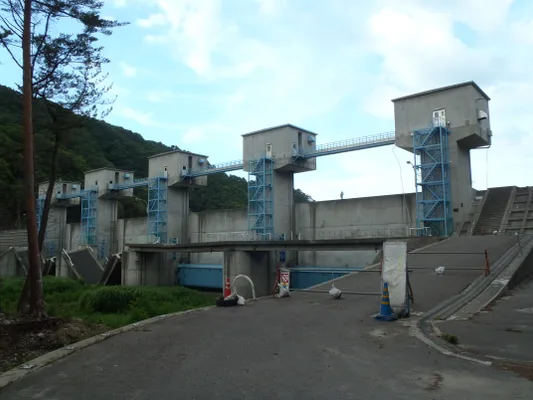
Work on the project began in 1972, despite lingering concerns about costs and challenges such as land acquisition. The concrete structure, which spanned about 205 meters (673 feet) and stood 15.5 meters (51-foot) tall, took more than a decade to complete and was finished in 1984 at a total cost of 3.56 billion yen, funded through a combination of village, prefectural, and national public works budgets.
When the 2011 Tōhoku tsunami, triggered by the Great East Japan Earthquake (a magnitude 9.0 – 9.1 quake), struck on March 11 at 2:46 p.m. local time, Sendai City, Fudai Village, and other towns were affected. However, the outcomes were different. Sendai City, located roughly 130 km from the epicenter, was hit by massive waves just minutes after the earthquake, causing catastrophic damage, particularly at Sendai Airport and in the low-lying coastal districts where it traveled up to 10 km (6 miles) inland.
More History to Explore: DNA Solved What Courts and Newspapers Got Wrong in 1912
Fudai Village, for its part, remained virtually unscathed because of the massive 15.5-meter (51-foot) floodgate and seawall, commissioned by Kotoku Wamura. The floodgate was closed just before the massive waves arrived. Despite its height, the 66-foot waves ultimately overtopped the gate — because the waves were higher than its design height — but the structure absorbed much of the waves’ force. As a result, the inland area of the village was largely spared serious flooding and damage, resulting in zero deaths within the protected zone, compared to many nearby towns. Tarō, for instance, despite having a massive two-layer seawall standing 10 meters (33 feet) high to keep tsunamis out, installed a tsunami alarm in 1954, set up evacuation routes in 1986, and later added tsunami monitoring and viewing systems in 1996 suffered a catastrophic breach of its world-famous defenses when waves surged to a peak height of 38.2 meters, destroying 1,609 buildings and claiming nearly 200 lives.
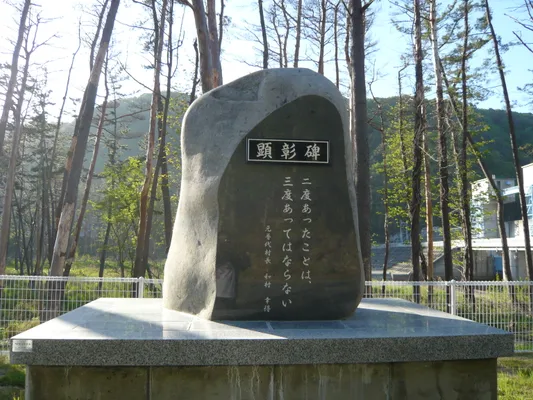
After the disaster, many villagers visited Wamura’s grave to express their gratitude. Wamura had died in 1997 at the age of 88. A monument in his honor was later set up beside the floodgate, bearing the inscription, “What happened twice must not happen a third time,” echoing the vow he made before building the floodgate.
At his retirement, three years after the floodgate was completed, he addressed village employees with a final message: “Even if you encounter opposition, have conviction and finish what you start. In the end, people will understand.”