
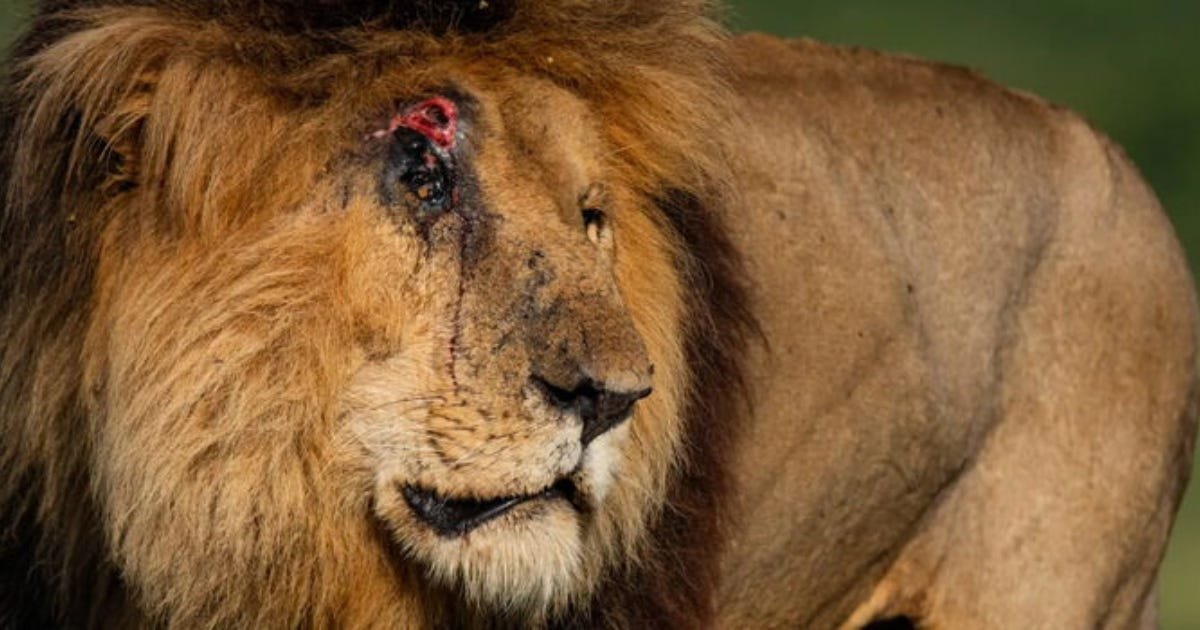
Born in 2007, no one could have imagined a cub would become the ‘World’s Most Famous Lion.’ It was as if he was given no name at birth until he proved himself worthy of a name. And when he finally did, the name he received was a perfect fit: Scarface.
In Kenya’s Maasai Mara National Reserve, he was known by guides, photographers, and visitors not simply for being a lion, but for a deep scar above his right eye — a scar he wasn’t born with but later sustained, and for a mane that made him one of the most recognizable lions in the reserve.
He was part of a formidable coalition of four male lions. The others were Hunter, Sikio, and Morani. Known as ‘The Musketeers,’ they fought for and claimed large territories and defended their pride. But out of the four, Scarface stood out. Upon reaching maturity, he had displaced rival males and established himself as the pride’s leader.
In 2012, he sustained a scar over his right eye in a territorial battle. One would have expected such a wounded lion to rest and give up his dominance. But that wasn’t the case for Scarface. He continued to hold dominance over a vast territory, surviving fights with rivals, human confrontations, and the harsh realities of life in the wild. His impressive stature, distinctive appearance, and evident leadership earned him wide admiration among wildlife photographers and visitors.
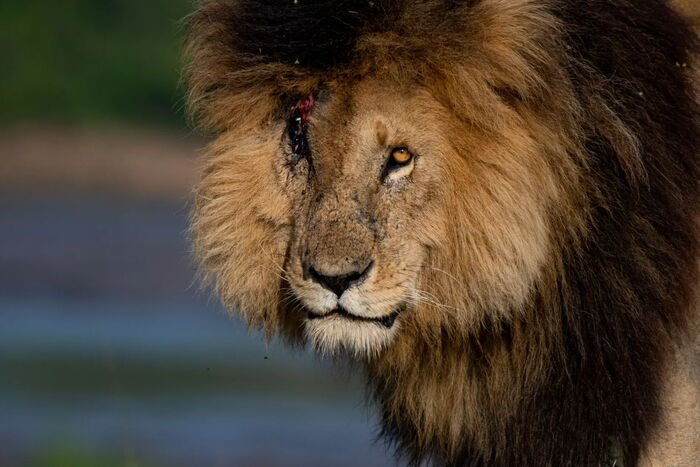
Renowned and multi-award-winning Scottish wildlife photographer George Logan behind the book Lion: Pride Before the Fall, a landmark photographic book raising awareness and funds for lion conservation, particularly in Meru, Kenya, described him as the “rockstar of the Mara.” No doubt he was! Starring on wildlife documentaries including National Geographic and the BBC’s Big Cats Diary, released in 1996, and also had his own Facebook page.
In the wild, The Musketeers under Scarface leadership formed efficient hunting strategies and coordination which helped them hunt down large herbivores, such as zebras, wildebeest, buffalo, and the likes. Their task also included defending a pride of nine females, cubs and a few other younger males against rival lions and other external threats. As a result, Scarface had to endure so many injuries. But he wasn’t deterred from his leadership role. He led the pride undefeated for almost ten years.
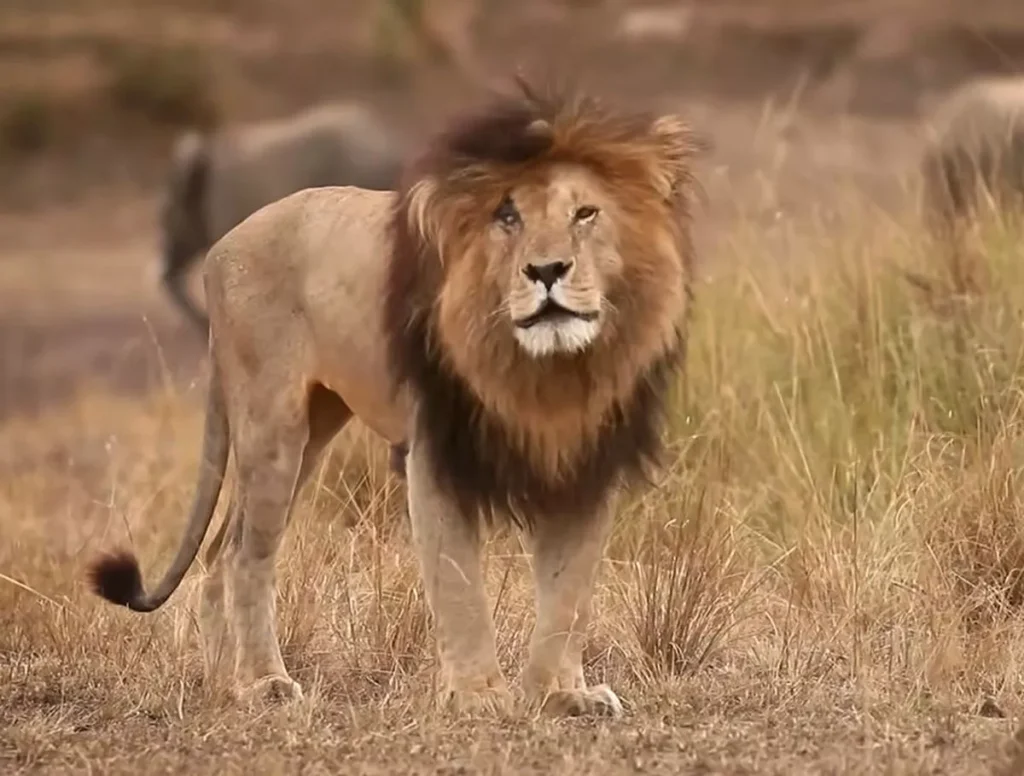
He didn’t just rule — he defied the odds. Most male lions last only two to four years as king of a pride before giving way to a stronger male in a highly contested battle. Scarface wassn’t one of them. He held his dominance for much longer.
“He was quite unique and stayed at the top so long with this crazy appearance and big personality. I would say he was the most famous lion in the world,” Logan said.
Unfortunately, when death came knocking at the door, he knew it was time to accept his fate. On June 11, 2021, Scarface died of natural causes at the age of 14.
According to experts, a lion in the wild can expect to live between 10 to 14 years of age, with the females living slightly longer. So it’s safe to say that Scarface truly lived an exceptionally and impressive long life for a wild lion.
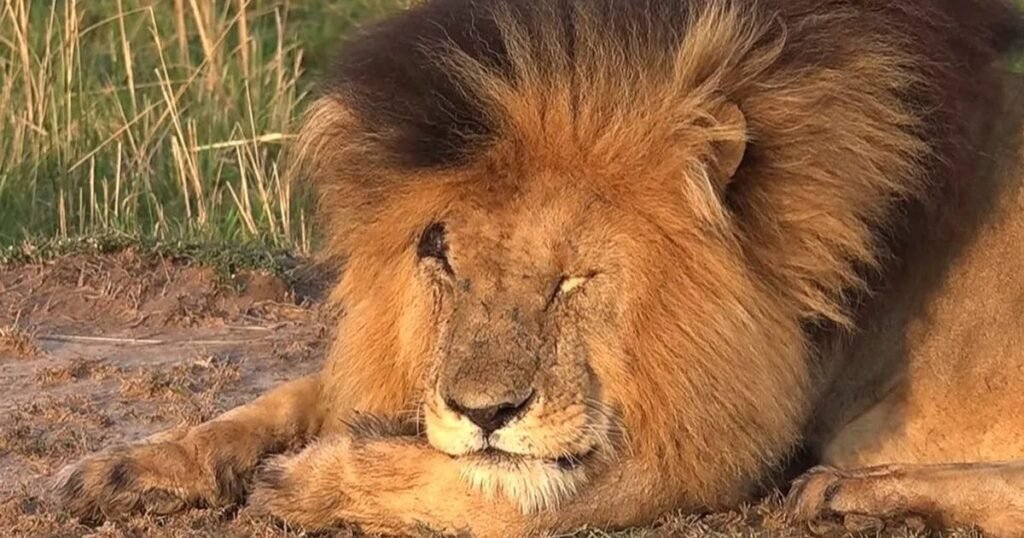
At “1 pm local time, Scarface took his last breath. He died in peace without any disturbance from vehicles and hyenas. We were the only vehicle on the scene and by his side … hoping to give him any kind of comfort,” the Mara Predator Conservation Programme (MPCP) announced on their Facebook page. His death marked the end of an era in the Mara: a lion whose presence was more than just another predator, but a living symbol of the wild’s enduring spirit.
Before his death, however, it became clear that his nearly 10-year reign was coming to an end. He was seen far from his pride, among three younger male lions known as the Salas males, “a trio of the most ferocious young males in the Mara.” But all he could do was “defiantly snarled at them” and nothing more. Probably seeing how weak he was, “they respectfully let him be,” said Logan.
When he died, many expressed sadness not just for the loss of a lion, but for what he represented: endurance, wild beauty, and a living link between humanity’s admiration for nature and the untamed lands of Africa. A lion that was so respected by both his own pride as well as other lion prides around. The MPCP tribute to him described him as one of the Mara’s great iconic males.